SASSA Care Dependency Grant Status Check

South African Social Security Agency (SASSA) spreading love and care throughout South Africa. There are eight social grants that this government agency is offering in 2024. One of them is the SASSA Care Dependency Grant.
It is a vital social assistance program to support children with severe disabilities. This grant provides a monthly cash payment of R2 090 to caregivers of children between the ages of 1 and 18 years old who require permanent care due to physical or mental disabilities.
The Care Dependency Grant exists to help caregivers meet the extra financial costs of looking after a child with severe disabilities full-time at home.
This assistance makes a major difference in eligible children’s and their families’ lives. Caregivers who meet the strict criteria and application requirements can access this essential support. The Care Dependency Grant helps some of South Africa’s most vulnerable children receive the nurturing care they deserve despite their profound disabilities.
Key Points of this Article:
- A full overview of SASSA Care Dependency Grant.
- Complete eligibility criteria.
- Grant application process.
SASSA Care Dependency Grant Details
Within the framework of social welfare, the SASSA Care Dependency Grant stands as a tailored response to the nuanced challenges faced by caregivers entrusted with children grappling with enduring physical or mental disabilities.
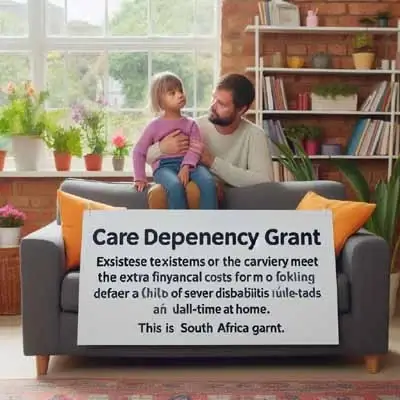
This grant unfolds as a monthly cash infusion of R2,090, symbolizing not just financial assistance but a commitment to acknowledging and addressing the intricate needs of children between the ages of 1 and 18 requiring persistent care. By recognizing the unique circumstances surrounding permanent disabilities, SASSA’s initiative extends beyond financial aid, weaving a fabric of support and understanding.
It underscores a commitment to fostering an environment where caregivers are empowered, and the children in their care are granted the opportunity for a dignified and supported life, carving out a distinctive space within South Africa’s social support landscape.
Who is Eligible for the SASSA Care Dependency Grant?
To qualify for the SASSA Care Dependency Grant, several criteria must be met, emphasizing the meticulous nature of the eligibility process.
The child in question must fall within the age range of 1 to 18 years and undergo a rigorous medical assessment confirming a permanent and severe mental or physical disability. This disability should necessitate continuous, full-time care within the confines of the home environment.
Caregivers, in turn, are subject to income and means tests, with an annual income ceiling of R223,200 for single caregivers and R446,400 for married couples. Further, caregivers must be South African citizens, permanent residents, or refugees cohabiting full-time with the child, steering away from state institutions.
Exclusivity is maintained by ensuring that the child does not concurrently receive another social grant, bolstering the grant’s targeted impact. Residency in South Africa during the application period is a prerequisite, underscoring the grant’s commitment to local communities.
Consent to periodic reassessments of the child’s eligibility adds a layer of responsiveness to evolving needs. Stringent yet necessary, the application process mandates the submission of essential documents, including birth certificates, IDs, and compelling proof of the child’s disability, establishing a comprehensive framework for equitable grant allocation.
What Documents Are Required?
Below is the list of documents that are necessary when you are going to apply for a Care Dependency grant. So make sure that you have all these documents ready before you go to the SASSA office and apply for the grant.
- 13-digit bar-coded identity document (ID) or:
- Affidavit (SASSA format) if ID is not available
- Sworn statement from a credible individual
- Fingerprints submitted to SASSA
- Proof of ID or birth certificate application at the Department of Home Affairs
- Temporary ID (if issued by the DHA)
- Baptismal certificate (if available)
- School report of the child (optional)
- Health clinic card (optional)
- Proof of marriage (if applicable)
- Medical report confirming the child’s disability
- Proof of income:
- Payslip
- Pension slip
- Bank statement for the last three months
- For caregivers who are not parents:
- Sworn statement from a law enforcement officer
- Sworn statement from the child’s biological parent
- Letter from the school principal
- Report from a social worker
- Proof of efforts to obtain financial support from the other parent
- Proof of unemployment from UIF or previous employer’s termination letter
- For refugees:
- Refugee ID
- Status permit
- For foster parents:
- Court order document proving foster parent caregiver status
These are the documents that you need to prepare before you go and apply for this grant.
Means Test for SASSA Care Dependency Grant 2024
A Means Test for the SASSA Care Dependency Grant in 2024 refers to the income and asset requirements that applicants need to meet to qualify for the grant. Here are some key details about the Means Test:
- Annual Income: If you are single then your annual income should be less than R250 800. While married couples should not be earning more than R501 600. (Married couples join income will be counted)
If you are a foster parent, then you do not have to pass this test. Also, your child can get both Care Dependency and Child Grant simultaneously.
Benefits of Care Dependency Grant in 2024
Financial Relief for Caregivers: The Care Dependency Grant provides a monthly cash payment of R2,090, offering significant financial assistance to caregivers of children with permanent, severe mental, or physical disabilities. This financial support helps alleviate the economic strain associated with caring for a child with special needs.
Enhanced Quality of Care: The grant is designed to support children who require permanent, full-time care due to their disabilities. Providing financial assistance, enables caregivers to meet the unique and ongoing needs of these children, ensuring access to specialized services, medical care, and other essential resources that contribute to an improved quality of life.
Empowerment of Caregivers: Caregivers often face increased financial and emotional stress when caring for a child with a disability. The grant empowers caregivers by acknowledging their vital role and providing financial resources, enabling them to focus on the well-being and development of the child without being unduly burdened by financial constraints.
Promotion of Inclusive Practices: The Care Dependency Grant promotes inclusivity by supporting families caring for children with disabilities within their homes. This approach fosters a sense of belonging for these children within their communities, encouraging social integration and reducing the reliance on state institutions for care.
Contribution to Child Development: Through the financial assistance provided, the grant contributes to the overall development of children with disabilities. It facilitates access to educational resources, therapeutic interventions, and other essential services, promoting the child’s well-being, independence, and potential for a more fulfilling life.
Reduction of Economic Disparities: By targeting caregivers with income and means tests, the grant addresses economic disparities and ensures that financial support is directed toward those who need it most. This targeted approach helps create a more equitable distribution of resources within the community.
Encouragement of Regular Reassessments: The requirement for caregivers to consent to periodic reassessments of the child’s eligibility ensures that the grant remains responsive to evolving needs. This approach reflects a commitment to ongoing support and adaptability to the changing circumstances of the child and caregiver.